Straight lines, even joints and clean edges.
Floors, walls, showers and splashbacks in porcelain, marble and natural stone. We prepare the surface first, waterproof every wet area and plan the layout, so the cuts fall where you won't notice them.
- Layout planned before the first tile
- Wet areas waterproofed first
- Large tiles laid flat and flush
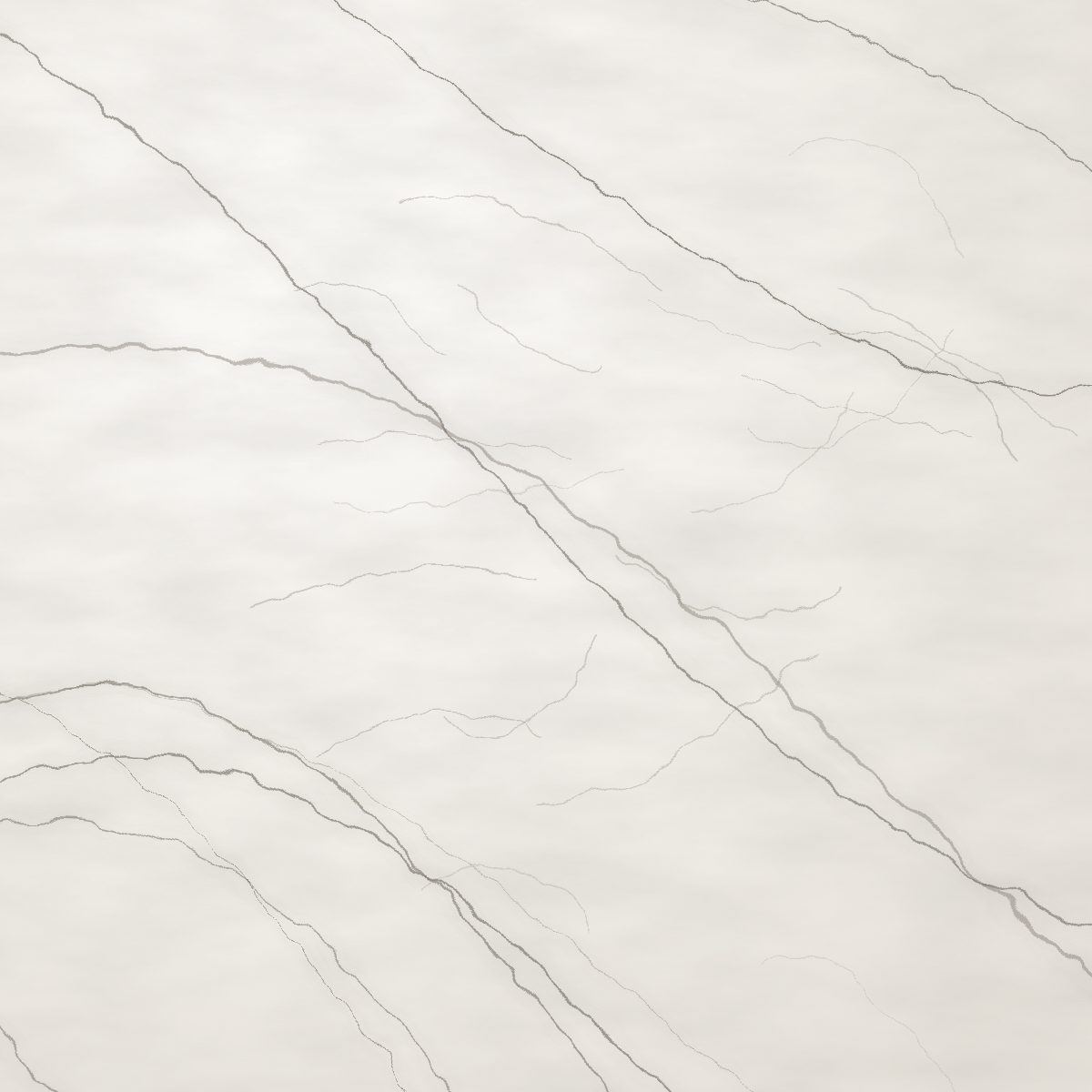

What we take on.
Floors, walls and showers in porcelain, marble and stone, with the layout planned and every wet area waterproofed first.
Floor tiling
Porcelain, ceramic and stone floors for kitchens, halls and bathrooms, including over underfloor heating.
Wall tiling
Full-height bathroom walls, feature walls and splashbacks, set out so joints line up around the room.
Large-format porcelain
Big tiles with fine joints, laid flat with levelling systems so no edge catches the light.
Marble and natural stone
Sealed before and after grouting, and fixed with adhesives suited to the stone, so it doesn't stain or bow.
Showers and wet rooms
Waterproofed before tiling, with the floor falling to the drain on level-access showers.
The details
Mitred corners, niches, trims and movement joints, finished neatly.
What happens before the first tile.
Tiles are only as good as the surface behind them. The preparation takes time, and it's what keeps the finish flat, dry and crack-free.
Check the surface
Tiles need a solid, flat and dry base. We check every wall and floor, then board, prime or level where it's needed.
Choose the right backing
Heavy stone and large tiles need boards rated for their weight and for moisture. Bare plasterboard has no place in a shower.
Waterproof the wet areas
Showers and wet-room floors get a waterproofing system before tiling. Grout isn't waterproof: the membrane underneath is what keeps water out.
Plan the layout
We find the centre lines and plan around windows, doors and fittings, so cuts are balanced and no thin slivers end up in view.
Bed every tile fully
Tiles are bedded with no hollow spots, especially on floors and in showers, where gaps underneath lead to cracks and leaks.
Allow for movement
Flexible movement joints at edges and corners let the building move a little without cracking tiles or grout.
Every wall starts on a level line.
We set out the joints from a laser line before a tile goes on, so the cuts are even at both ends of the wall. Drag across the picture to compare.
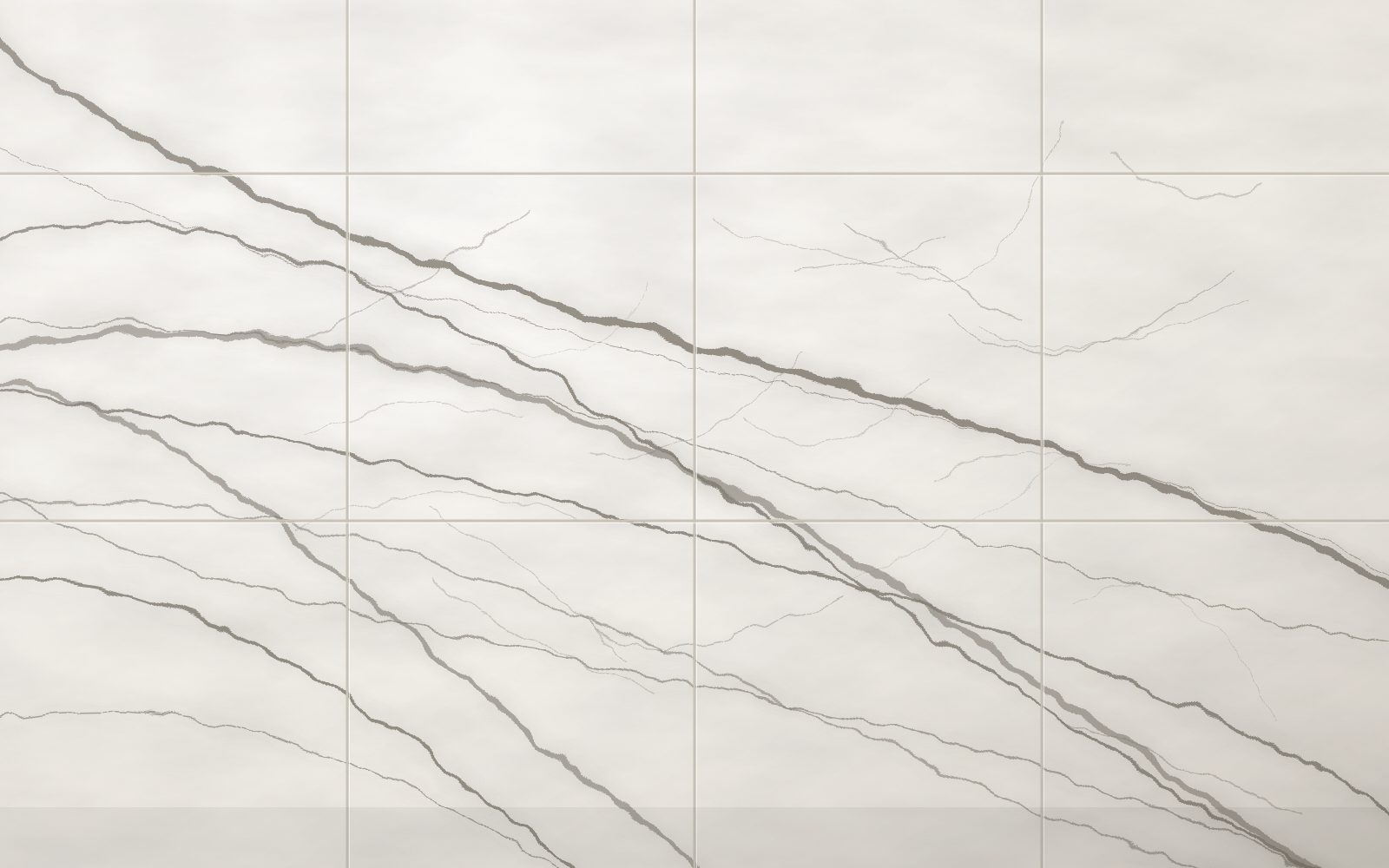

Illustration of our method. Photographs from our projects to follow.
Choosing your tiles.
The decisions that shape how the finished room looks, lasts and costs. We'll talk them through with you on site.
Porcelain
Dense, hard-wearing and easy to look after, so ideal for floors, showers and kitchens. Large formats need a very flat base.
Marble and natural stone
Every piece is unique. Stone needs sealing and gentle cleaners, and some marbles mark with acids like lemon juice or wine.
Grout
Cement-based grout suits most rooms. Epoxy grout resists stains and water better, which helps in showers and busy kitchens.
Trims or mitres
Metal trims protect edges and are quick to fit. Mitred corners show no metal at all and look cleaner on stone and porcelain.
The facts behind the finish.
Rules, standards and science worth knowing before you start, with our sources.
Waterproofing comes first
Tiles and grout alone are not a waterproof barrier. In a shower, the membrane behind the tiles is what keeps water out of walls and floors.
Tiles over timber
Timber floors flex. Tiling over them needs a stiff overlay or a decoupling membrane, or the grout cracks and tiles work loose.
Underfloor heating
Tiles conduct heat well, so they pair naturally with underfloor heating. A new screed must dry, and the heating should be commissioned, before tiling.
Bathroom ventilation
Irish Building Regulations guidance sets a minimum of 15 litres a second for an intermittent bathroom extract fan, which protects grout and sealant from mould.
Source: Tipperary County Council: Ventilation in dwellings, a review of TGD F 2019
Your questions, answered.
Anything else, just ask. Call +353 89 457 8129 or email [email protected].
- Can you tile over existing tiles?
- Sometimes, if the old tiles are sound, well bonded and the extra height works. In showers, and anywhere tiles are loose or hollow, we take them up.
- How long does tiling take?
- It depends on the area, the tile and the preparation. Waterproofing and adhesive need time to cure, and your quote includes a timeline.
- Do you seal natural stone?
- Yes. Stone is sealed before grouting to stop staining, and again once the job is finished. We'll tell you how to look after it.
- Can you build a shower with no tray?
- Yes. A level-access wet-room floor is formed to fall to a drain and fully waterproofed before tiling.
Planning tiling? Let's talk.
Book a home visit. We'll look at the space, listen to what you want, and follow up with an itemised quote in writing.