Stairs that look new, feel solid and stay quiet.
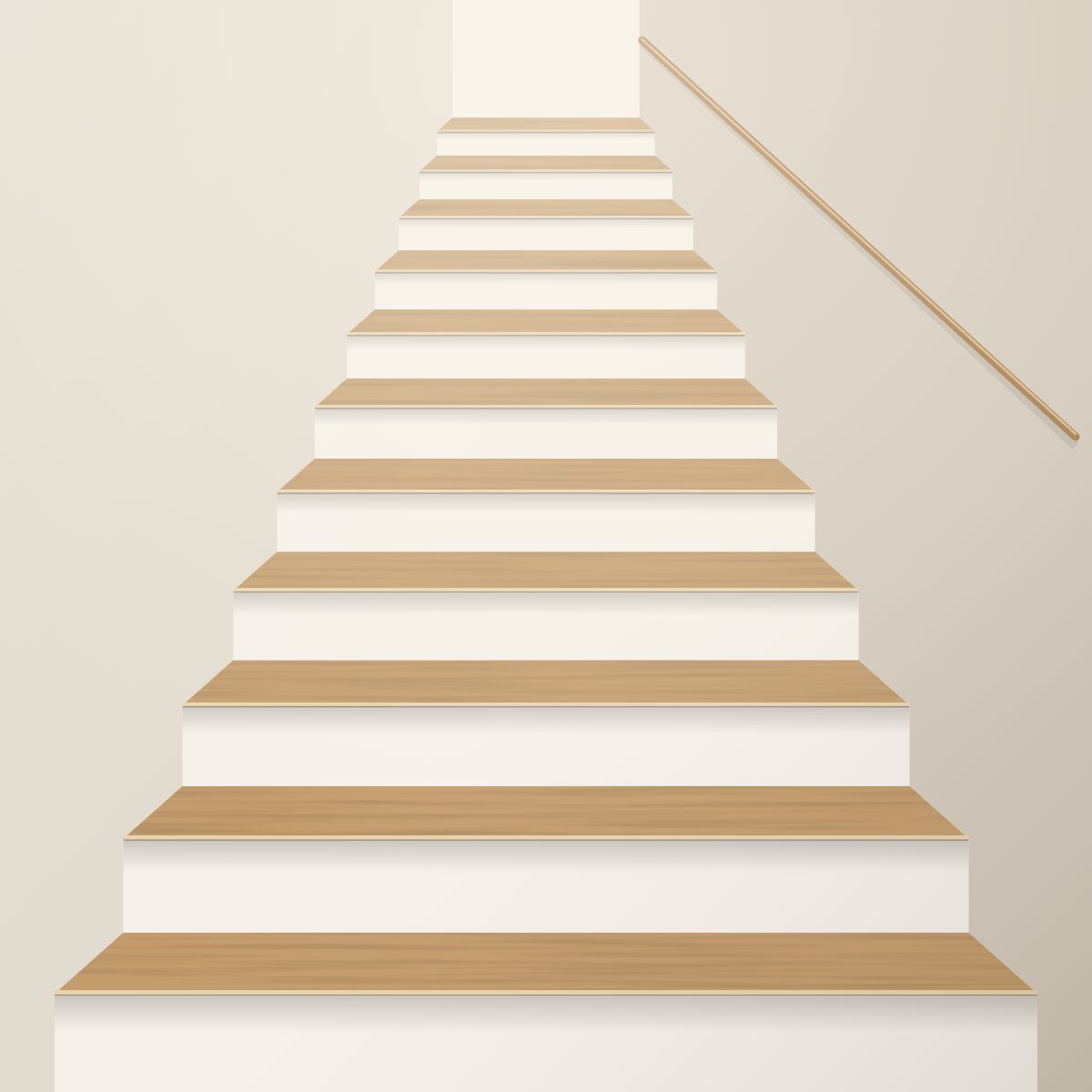
Oak treads and risers, cladding over existing stairs, nosings, balustrades and handrails. We fix squeaks at the source, keep every step the same height, and finish the stairs to match your floors.
- Every step measured and kept even
- Squeaks fixed at the source
- Matched to your floors
What we take on.
Oak treads, stair cladding, nosings and balustrades, with every step kept even and squeaks fixed at the source.
Oak treads and risers
Solid or engineered oak treads with painted or oak risers, on your existing stairs or a new flight.
Stair cladding
New oak fitted over sound existing stairs: the look of a new staircase with far less disruption.
Nosings and edges
Matching nosings where stairs meet landings and floors, so every transition looks deliberate.
Balustrades and handrails
Spindles, newel posts and handrails, or glass and metal balustrades through specialist partners, all fixed solid.
Painted and finished stairs
Stairs sanded, painted, stained or oiled, with risers and spindles in the colour you choose.
Squeaks and repairs
Loose treads, worn nosings and wobbly handrails fixed properly, not just covered over.
Every step the same height.
On stairs, small errors add up. An uneven step trips people, and a loose tread squeaks for years. These are the steps we never skip.
Survey the stairs
We check the structure, measure every rise and going, and look for loose treads, worn wedges and movement before we quote.
Fix it underneath
Squeaks usually come from loose treads, glue blocks or wedges. We fix them from below where we can, before anything new goes on top.
Keep the rises even
New treads add height, so we plan the thickness on every step, including the first and last, so the rises stay equal.
Scribe and cut
Treads are scribed to the walls and strings, so they sit tight without gaps or filler.
Fix and finish
Treads are glued and fixed and nosings fitted, then the stairs are oiled or lacquered to suit how busy they are.
Make the balustrade safe
Handrails and spindles are fixed solid, with gaps small enough to keep small children safe.
Choosing your stairs.
The decisions that shape how the finished room looks, lasts and costs. We'll talk them through with you on site.
Clad or replace
Cladding transforms sound stairs quickly. A staircase that's worn out, unsafe or in the wrong place is better replaced.
Oak or painted
Oak treads with painted risers is the classic pairing. All-oak looks warm and solid; painted stairs suit a runner.
Spindles or glass
Timber spindles suit period homes. Glass or slim metal balustrades let light through and make a hall feel bigger.
Oil or lacquer
Stairs take heavy wear. Hardwax oil is easy to touch up; lacquer resists scuffs and needs less upkeep.
The facts behind the finish.
Rules, standards and science worth knowing before you start, with our sources.
The rules for stairs
Building Regulations guidance for stairs in a home allows a rise of up to 220 mm and a going of at least 220 mm. Every step in a flight should match, and gaps in a balustrade shouldn't let a 100 mm sphere through.
Source: gov.ie: Technical Guidance Document K, Stairways, Ladders, Ramps and Guards
Cladding adds height
Oak over old treads raises every step, so the first and last rises need planning. Get it wrong and those two steps end up a different height from the rest, a classic trip hazard.
Match the floors
Stairs join two floors. Matching the oak, the colour and the finish to the hall floor, with matching nosings, makes the whole space look planned.
Your questions, answered.
Anything else, just ask. Call +353 89 457 8129 or email [email protected].
- Can you put oak on my existing stairs?
- Usually, yes, if the stairs are sound. We check the structure first and plan the extra thickness so every step stays the same height.
- Can you stop my stairs squeaking?
- Usually. Squeaks come from loose treads, wedges or glue blocks, and are best fixed from underneath before anything new goes on.
- Can the stairs match my new floor?
- Yes. We match the oak, the colour and the finish, and fit matching nosings where the stairs meet the floor.
- Do you fit glass balustrades?
- Yes, with toughened safety glass and fixings made for balustrades, working with a specialist glazier where the design needs one.
Planning new stairs? Let's talk.
Book a home visit. We'll look at the space, listen to what you want, and follow up with an itemised quote in writing.